Orthodontic treatment continues beyond the removal of braces. Retainers are essential for keeping your teeth in their new position and ensuring lasting effects. It is important to know the different types of retainers and their pros and cons before choosing one. This blog will discuss the various kinds of orthodontic retainers, their prices, advantages and disadvantages, and maintenance tips. Vida Smile Care is here to help you navigate through this process. To get additional details, contact us at 312-733-5644 or reach out via email at support@vidasmilecare.com.
Types of Orthodontic Retainers
Hawley Retainers
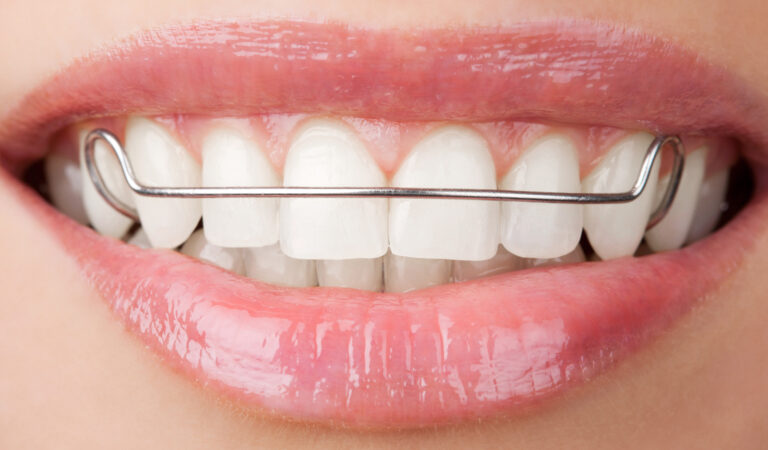
Hawley retainers, also called wire retainers, are made up of a metal wire encircling the front teeth and an acrylic plate positioned against the roof of the mouth or within the lower arch.
- Advantage - Long-lasting: Constructed from metal and acrylic, they have the potential to endure for numerous years when properly maintained.
- Advantage - Adaptable: An orthodontist can modify the metal wire to guarantee a precise fit.
- Advantage - Removable: Easy to clean and simple to keep up your daily oral hygiene.
- Downside - Visible: The visible metal wire may not be aesthetically appealing to some individuals.
- Downside - Uncomfortable: Getting familiar with the acrylic plate could require some time to feel fully comfortable.
Essix Retainers
Essix retainers are transparent, plastic retainers that tightly conform to your teeth, much like Invisalign aligners.
- Advantage - Transparent: Constructed from clear plastic, they are highly discreet compared to Hawley retainers.
- Advantage - Comfortable: Thin and smooth, they tend to feel much more comfortable when worn.
- Advantage - Removable: Simple to ensure cleanliness and maintain total oral health.
- Downside - Less Durable: The thin plastic can crack, break, or warp over time with regular usage.
- Downside - Non-Adjustable: Unable to be altered after fabrication, necessitating a complete replacement if your teeth shift.
Fixed Retainers
Fixed retainers, also referred to as bonded or permanent retainers, are composed of a thin wire that is bonded directly to the rear surface of the teeth.
- Advantage - Permanent: Remains continuously in place, guaranteeing highly reliable and constant outcomes.
- Advantage - Invisible: Secured safely on the inner side of the teeth, rendering them completely unseen.
- Advantage - Highly Effective: Works exceptionally well at preventing teeth from shifting.
- Downside - Challenging to Clean: Demands extra cleaning effort, flossing tools, and care around the wire area.
- Downside - Risk of Damage: The bonded wire can break or loosen over time from chewing hard foods.
- Downside - Non-Removable: Requires professional dental assistance to remove or repair.
Price of Orthodontic Retainers
The price of orthodontic retainers can vary based on the type and complexity of your individual case. Typically:
- Hawley Retainers: Cost between $150 and $300 per retainer.
- Essix Retainers: Cost between $100 and $250 per retainer.
- Fixed Retainers: Range from $250 to $500 per dental arch.
At Vida Smile Care, we provide affordable pricing and top-notch retainers to guarantee you receive the absolute best value. Furthermore, you have the option to research and order replacement retainers online as a highly convenient and budget-friendly choice.
Advantages and Disadvantages of Retainers
- Advantage - Maintain Alignment: Retainers are absolutely crucial for preserving the beautiful alignment of your teeth post-treatment.
- Advantage - Avoid Regression: Consistently wearing your retainers stops teeth from slowly shifting back to their initial misaligned positions.
- Advantage - Enhanced Oral Health: Properly aligned teeth are much easier to brush and floss, lowering your risk of tooth decay and gum disease.
- Downside - Maintenance Required: To stay clean, safe, and hygienic, retainers require daily cleaning and sterilization.
- Downside - Ongoing Expense: Periodically replacing broken, worn, or lost retainers creates an ongoing maintenance cost.
- Downside - Transition Period: Certain types of retainers can cause mild soreness or minor speech changes during the first few days of wear.
How to Care for Your Teeth Retainer
Properly maintaining your orthodontic appliance is vital to ensure its long-term structural integrity and hygiene. Use these standard guidelines:
- Daily Cleaning: Gently brush your retainer every day with a soft-bristled toothbrush and a non-abrasive soap or gentle toothpaste. This gets rid of plaque buildup. Never use hot water, as it can warp clear Essix plastic.
- Weekly Soaking: Once a week, soak your retainer in an effervescent retainer cleaner or a mixture of warm water and mild dish soap to keep it sterile. Rinse it thoroughly before wearing.
- Safe Storage: Whenever your retainer is not in your mouth, keep it in its protective case. This protects it from physical damage and prevents it from being thrown away accidentally. Keep the case dry to avoid bacterial growth.
- Prevent Harm: Treat your retainer gently. Avoid bending the wires, squeezing the plastic, leaving it in hot cars, or putting it loosely in your pockets.
- Routine Examinations: Visit us regularly to make sure your retainer is fitting perfectly. We can provide custom adjustments or replacements as needed to ensure your smile stays flawless.
Final Thoughts
Orthodontic retainers are necessary to maintain your recently aligned smile after treatment with braces or clear aligners. Whether you choose a classic Hawley retainer, a clear Essix retainer, or a fixed permanent wire, understanding how they work and keeping them clean will secure your investment.
At Vida Smile Care, we are committed to helping you preserve your beautiful smile. To get more details or to schedule an appointment with our team, call us today at 800.539.2070 or write to us at support@vidasmilecare.com.